


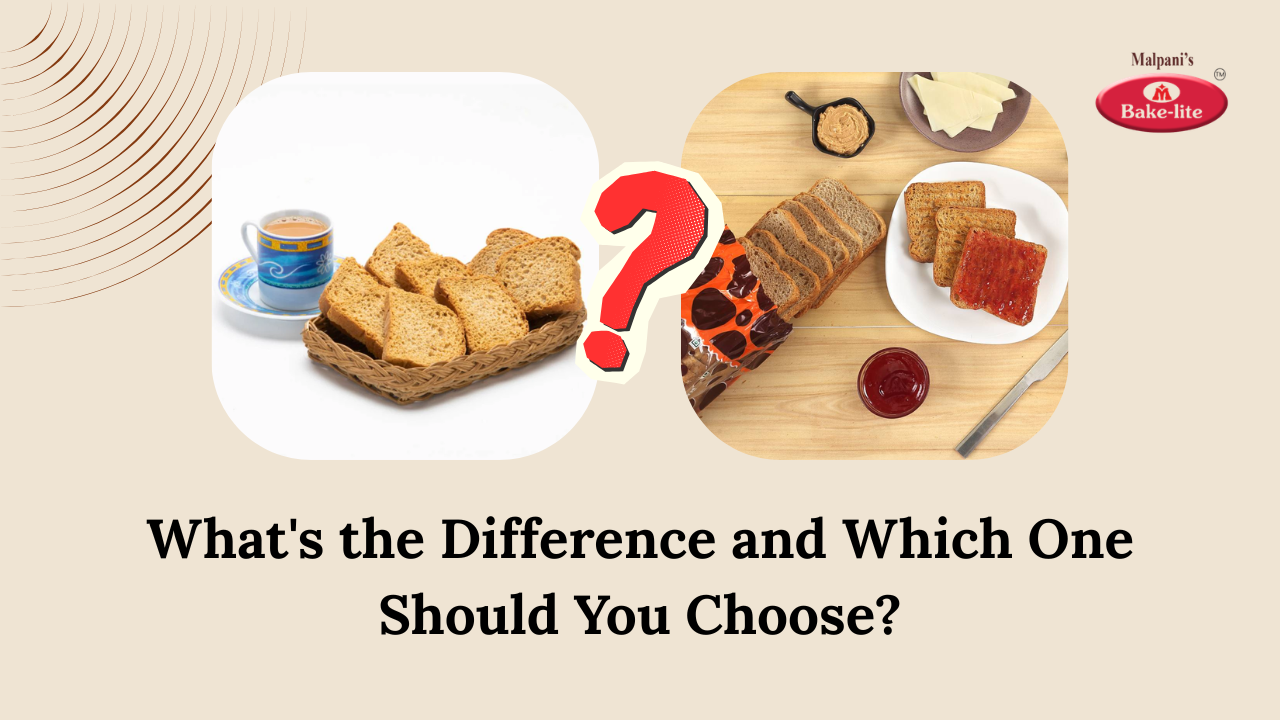
Most people have used both brown toast and brown bread at some point — but when asked what the actual difference is, the answer gets fuzzy. Is brown toast just brown bread that has been toasted at home? Or are these two completely separate products? The confusion is real. Here is a clear breakdown of what separates these two staples, how each one is made, and when each one makes more sense to pick up.
First, Let's Get the Basics Right
What Is Brown Bread?
Brown bread is a loaf baked using whole wheat flour, or a blend of whole wheat and refined flour. The proportion of whole wheat gives it a darker colour and a slightly denser texture compared to white bread. It is soft when sliced, meant to be eaten fresh, and usually picked up from a bakery counter or as a packaged loaf. Shelf life is short — five to six days at best, especially in warm Indian weather.
What Is Brown Toast?
Brown toast is pre-sliced bread that has been through two rounds of baking. The dough is first baked as a regular loaf, then sliced uniformly and baked again at lower heat until each slice is dry, crisp, and shelf-stable. Brown toast is meant to be eaten directly from the packet — no toaster, no prep.
|
Factor |
Brown Bread |
Brown Toast |
|
Texture |
Soft, slightly chewy |
Crisp, snaps when bitten |
|
Shelf Life |
5-6 days |
Several weeks (sealed) |
|
Best Use |
Sandwiches, home toasting |
Chai snack, travel, desk |
How Each One Is Made - The Process That Matters
How Brown Bread Is Made
Brown bread follows a standard bread-making process: whole wheat flour (or a blend), water, yeast, salt, and sometimes a small amount of fat. The dough is kneaded, rested, and baked in an oven. The result is a soft, slightly chewy loaf. Once baked, it needs to go into the fridge or be consumed within a couple of days before it goes stale.
How Brown Toast Is Made
Brown toast starts with a similar dough, but the process goes a step further. After the first bake, the loaf is sliced and sent through a second round at lower heat. This second bake pulls out the moisture and creates that snap-when-you-bite-it texture. The difference between toast and bread, in production terms, is this double-baking step — and it is what gives brown toast a shelf life of several weeks rather than a few days.
Texture, Taste, and Where Each One Fits in Your Day
With Chai or Coffee
Brown toast holds its own against a hot cup of tea. It does not go soggy quickly, which makes it the more practical companion for morning chai or a mid-afternoon desk break. Brown bread, once sliced, absorbs moisture fast — it works better eaten fresh or with toppings on a plate, rather than sitting next to a steaming cup.
For Breakfast and Light Evening Snacking
If you want a quick, no-prep option, brown toast is the simpler choice — just open and eat. Brown bread is more flexible: you can run it through a toaster, make a sandwich, or use it as a base for eggs and butter. For breakfast toast ideas that need zero effort, brown toast works well. For building a full meal, brown bread gives you more room to work with.
Everyday Uses of Brown Toast in Indian Homes
Brown toast fits naturally into many parts of the day. Here is how most households actually use it:
-
With morning chai — the most classic pairing, and the one most people reach for automatically
-
Spread with white butter or ghee — a Maharashtrian-style option that needs no cooking at all
-
At the office desk — no prep, no mess; this is why brown toast India buyers often list it as their first pick for desk snacking
-
For travel — sealed packaging keeps slices intact through long journeys without going stale
-
With jam or marmalade — a quick morning fix in under a minute
The uses are practical and low-effort. That is the whole point of bakery brown toast.
What to Check Before You Buy Brown Toast
Not all brown toast is made the same way. A few things to check on the label:
Flour type: Whole wheat flour should appear early in the ingredient list. If refined flour comes first and whole wheat follows much later, the brown colour may come from added caramel colour rather than the grain.
Sugar content: Some variants add significant sugar. If you are buying a savoury version, sugar should not sit high on the ingredient list.
Artificial sweeteners: If a packet says 'no added sugar', check whether saccharin or a similar substitute has been used instead.
Packaging: Airtight sealing matters. Loose packaging lets in moisture, and moisture destroys the crunch quickly.
Malpani's Brown Toast — Baked in Pune, Made for Everyday Use
Malpani's Bakelite has been baking in Pune for over 25 years. The Brown Barn range — including Brown Toast, Brown Toast with No Added Sugar, and Brown Khari — was built for buyers who want a simple, well-made option. No artificial colours, no bromates, baked on safe trays with automated batch-level quality checks. Order online at malpanifoods.com, with delivery across India.
FAQs
What is the difference between brown toast and brown bread?
Brown bread is a freshly baked soft loaf made from whole wheat or a blended flour. Brown toast is pre-sliced bread baked twice until crisp and shelf-stable. They are different products with different textures, shelf lives, and uses.
Is brown toast the same as toasted brown bread?
Not quite. Brown toast is a specific bakery product — already crisp when it comes out of the packet. Toasted brown bread is fresh bread you run through a home toaster. The production process and shelf life are quite different.
Can I eat brown toast without toasting it again?
Yes. Brown toast from a bakery is already twice-baked and meant to be eaten directly from the packet. No further heating is needed.
What are common uses of brown toast?
Brown toast is most often paired with chai, spread with butter or jam, or used as a travel-friendly desk snack. It is a no-prep option that fits into morning and evening routines equally well.


